

Semaglutide Explained: How It Works, Benefits, Side Effects, and How Long It Lasts
Learn what semaglutide is, how it works, its benefits and side effects, and how long semaglutide stays in your system. Semaglutide has become one of the most discussed medications in the modern conversation around blood sugar management, appetite, and weight management. But despite its growing popularity, many people still have basic questions: What exactly is semaglutide? How does it work? What side effects can occur? And how long does it remain in the body?
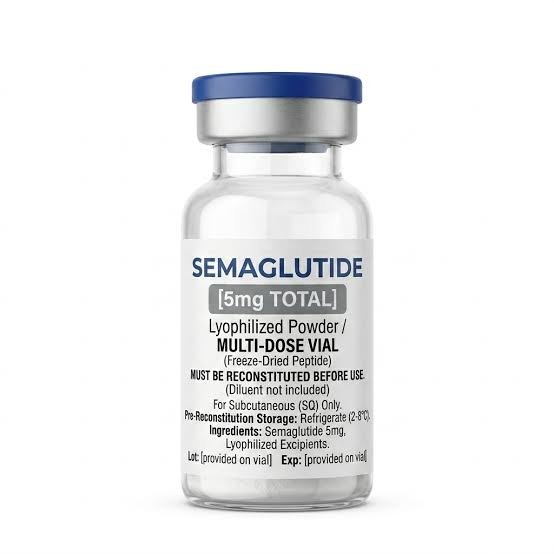
Semaglutide belongs to a class of medicines known as GLP-1 receptor agonists. It is designed to mimic some of the effects of glucagon-like peptide-1, a naturally occurring hormone involved in appetite regulation and glucose metabolism.
Different prescription products containing semaglutide have different approved uses and formulations. The medication has also become an important subject of clinical research, particularly in diabetes, obesity, and cardiovascular health.
This guide explains the science behind semaglutide in straightforward language. It covers how semaglutide works, its potential benefits, common side effects, how long it remains in the body, and some of the most frequently searched questions about it.
Important: This article is for educational purposes and does not provide individual medical advice. Prescription medicines should be used under the guidance of an appropriately qualified healthcare professional.
What Is Semaglutide and How Does It Work?
Semaglutide is a synthetic peptide that acts as a GLP-1 receptor agonist. GLP-1, or glucagon-like peptide-1, is a hormone involved in several processes that influence blood glucose, appetite, digestion, and food intake.
Rather than simply acting as an appetite suppressant, semaglutide works through several interconnected physiological pathways.
What is semaglutide?
Semaglutide is a long-acting GLP-1 receptor agonist. It was developed to produce effects similar to naturally occurring GLP-1 while remaining active in the body for considerably longer.
Natural GLP-1 is broken down quickly. Semaglutide has been structurally modified to remain in circulation much longer, allowing certain formulations to be administered at relatively long intervals.
The term “semaglutide” refers to the active pharmaceutical ingredient. It is important not to confuse the ingredient with individual brand-name medicines that contain it.
For example, semaglutide is used in different prescription products, including Ozempic, Wegovy, and Rybelsus, with each product having its own approved indications, formulation, and prescribing information.
That distinction matters because a discussion about semaglutide does not automatically apply to every semaglutide product in exactly the same way.
How does semaglutide work in the body?
Semaglutide activates GLP-1 receptors found in several tissues and physiological pathways.
One important effect involves the pancreas. GLP-1 receptor activation can increase insulin secretion when blood glucose is elevated and can reduce glucagon secretion. Together, these effects can contribute to improved glucose regulation.
Semaglutide also affects appetite and food intake. Research on GLP-1 receptor agonists indicates that these medicines influence signaling involved in hunger and satiety. People taking semaglutide may therefore experience less hunger, greater fullness, or changes in food cravings.
Clinical research has observed reductions in energy intake and changes in appetite among people receiving semaglutide.
Another mechanism involves the digestive system. GLP-1 signaling can influence gastric emptying, although the magnitude of this effect can vary with the specific medicine, dose, treatment duration, and individual circumstances.
The overall result is not one single mechanism. Semaglutide works through a combination of metabolic and appetite-related effects.
Why does semaglutide reduce appetite?
The relationship between semaglutide and appetite is one of the main reasons the medication has attracted attention.
GLP-1 signaling affects areas involved in appetite and food intake. It can increase feelings of fullness and reduce hunger, making it possible for some people to consume less food without experiencing the same level of appetite they had previously.
A controlled study of semaglutide in adults with obesity found lower energy intake, reduced hunger, increased fullness and satiety, and improved control of eating compared with placebo.
This does not mean that semaglutide eliminates hunger completely. Appetite is influenced by sleep, stress, nutrition, activity, hormones, environment, and many other factors.
Is semaglutide the same as GLP-1?
No.
GLP-1 is a naturally occurring hormone. Semaglutide is a medication designed to activate the GLP-1 receptor.
A useful way to think about the relationship is that semaglutide mimics important actions of GLP-1, but it is not the same molecule as the short-lived GLP-1 produced naturally by the body.
This is also why the term “GLP-1” can be confusing online. People sometimes use it to describe an entire category of medications, even though GLP-1 is technically the name of a naturally occurring hormone and receptor pathway.
How quickly does semaglutide work?
There is no single timeline that applies to everyone.
Pharmacological effects begin after administration, but noticeable changes in appetite, blood glucose, body weight, or other outcomes can develop over different periods.
The response also depends on the specific formulation, treatment schedule, individual physiology, and the clinical condition being treated.
This is one reason why treatment should not be evaluated solely on the basis of what happens during the first few days or weeks.
What Are the Benefits and Side Effects of Semaglutide?
Semaglutide has been studied extensively in people with type 2 diabetes and in people with overweight or obesity. Its effects depend on the specific formulation, population, and clinical context.
What are the potential benefits of semaglutide?
One important benefit is its effect on blood glucose regulation.
By activating GLP-1 receptors, semaglutide can support glucose-dependent insulin secretion and reduce glucagon secretion. This can help improve glycemic control in people for whom semaglutide is prescribed.
Another major area of research is weight management.
By influencing appetite, satiety, and food intake, semaglutide can help some people consume fewer calories. Large clinical trials have demonstrated clinically meaningful weight reduction in appropriate populations receiving semaglutide alongside lifestyle interventions.
The cardiovascular effects of semaglutide have also received significant attention.
In the SELECT trial, involving adults with established cardiovascular disease and overweight or obesity but without diabetes, weekly semaglutide was associated with a lower incidence of major adverse cardiovascular events compared with placebo. The primary cardiovascular endpoint occurred in 6.5% of participants receiving semaglutide compared with 8.0% receiving placebo.
Importantly, these findings apply to the population and treatment conditions studied in the clinical trial. They should not be interpreted as meaning that semaglutide automatically provides the same cardiovascular benefit to every person who uses it.
What are the common side effects of semaglutide?
The most commonly reported side effects are gastrointestinal.
Depending on the specific semaglutide product and patient population, these can include:
- Nausea
- Diarrhea
- Vomiting
- Constipation
- Abdominal pain
- Abdominal distension
- Dyspepsia
- Belching
- Gastroesophageal reflux
Current FDA labeling for Wegovy lists nausea, diarrhea, vomiting, constipation, and abdominal pain among its common adverse reactions.
These effects are one reason treatment with prescription semaglutide is generally introduced according to a specific dosing schedule rather than immediately using the highest dose.
The body may need time to adjust to the medication.
Why does semaglutide cause nausea?
Nausea is one of the side effects people commonly associate with semaglutide.
There is no single explanation for every case, but the medication’s effects on appetite, gastrointestinal function, and digestion can contribute.
People who experience persistent or severe nausea, vomiting, abdominal pain, dehydration, or other concerning symptoms should contact a healthcare professional.
A person should not assume that severe symptoms are simply a normal part of treatment.
Are there serious risks associated with semaglutide?
Like other prescription medicines, semaglutide has important warnings and precautions.
Current FDA labeling includes warnings concerning severe gastrointestinal adverse reactions, hypersensitivity reactions, diabetic retinopathy complications in certain patients, and other potential risks. The labeling also states that Wegovy is not recommended for people with severe gastroparesis.
Semaglutide may also affect the absorption of some oral medicines because it can delay gastric emptying.
Anyone considering prescription semaglutide should therefore provide their healthcare professional with a complete list of medicines, supplements, medical conditions, and relevant medical history.
Who should talk to a healthcare professional before using semaglutide?
This is an important question because suitability cannot be determined from body weight or appetite alone.
A healthcare professional can consider factors such as:
- Existing medical conditions
- Current medications
- Previous reactions to medicines
- Gastrointestinal conditions
- Diabetes status
- Pregnancy or plans for pregnancy
- Cardiovascular history
- Other individual risk factors
The appropriate product, indication, and treatment plan depend on the individual.
People should also understand that an online product description is not a substitute for prescribing information or professional medical assessment.
Can semaglutide affect muscle mass?
Weight loss is not composed exclusively of body fat.
Whenever someone loses a significant amount of body weight, some lean mass can also be lost. The amount varies between individuals and depends on factors including diet, physical activity, baseline body composition, age, and the rate of weight loss.
For this reason, conversations about semaglutide and weight management should focus on more than the number displayed on a scale.
Adequate nutrition and appropriate physical activity, including resistance exercise when suitable, can be important components of a broader weight-management strategy.
Anyone with a medical condition or significant dietary restriction should discuss an appropriate nutrition and exercise plan with a qualified professional.
How Long Does Semaglutide Stay in Your System?
One of the most frequently searched questions about semaglutide is how long it remains in the body.
The answer is closely related to a pharmacokinetic concept called half-life.
What is the half-life of semaglutide?
A drug’s half-life is the approximate amount of time required for its concentration in the body to decrease by half.
Semaglutide has a relatively long elimination half-life of approximately one week for the injectable Wegovy formulation described in FDA prescribing information.
This long half-life helps explain why some semaglutide formulations are administered once weekly.
How long does semaglutide remain in the body?
The current FDA prescribing information states that, because semaglutide has an elimination half-life of approximately one week, semaglutide can remain in the circulation for approximately five to seven weeks after the last 2.4 mg dose of Wegovy.
This does not mean that the medication remains at its original concentration for that entire period.
The concentration declines progressively after the final dose.
The distinction is important:
Remaining in the body does not necessarily mean producing the same noticeable effect throughout that period.
How long does semaglutide take to leave your system?
The body eliminates semaglutide gradually rather than all at once.
A common pharmacokinetic rule is that several half-lives are required for most of a drug to be eliminated. Because semaglutide’s half-life is approximately one week, elimination occurs over multiple weeks.
Individual circumstances and the specific formulation can affect pharmacokinetics.
This is another reason not to use a simple online calculator as a substitute for medical advice.
Does semaglutide continue to affect appetite after stopping?
The experience after stopping semaglutide can vary.
As the medication concentration declines, its pharmacological effects also diminish. Appetite and other physiological responses may change as the medication leaves the body.
Weight management is complex, and changes after discontinuation can depend on diet, physical activity, underlying metabolic factors, treatment duration, and other circumstances.
Anyone considering stopping a prescribed treatment should discuss the decision with their healthcare professional rather than making a sudden change based solely on online information.
Semaglutide vs. Other GLP-1 Medications
Semaglutide is not the only medication associated with GLP-1 signaling.
Other medicines in this broader area include liraglutide, while tirzepatide acts on both GIP and GLP-1 receptors.
| Medication | Main receptor activity | General category |
|---|---|---|
| Semaglutide | GLP-1 receptor | GLP-1 receptor agonist |
| Liraglutide | GLP-1 receptor | GLP-1 receptor agonist |
| Tirzepatide | GIP and GLP-1 receptors | Dual GIP/GLP-1 receptor agonist |
These medicines should not be treated as interchangeable products.
They can differ in their approved indications, dosing schedules, formulations, effectiveness, adverse-effect profiles, and prescribing considerations.
There is therefore no universally appropriate answer to the question, “Which one is best?”
The appropriate choice depends on the individual and the specific medical indication.
Frequently Asked Questions About Semaglutide
Does semaglutide suppress appetite?
Semaglutide can reduce hunger and increase feelings of fullness in some people. Clinical research has demonstrated changes in appetite, food intake, satiety, and food cravings in people receiving semaglutide.
How long does semaglutide take to work?
The answer depends on what “work” means. Pharmacological activity begins after administration, but noticeable changes in appetite, blood glucose, or body weight can occur over different periods. Individual responses vary.
How long does semaglutide stay in your system?
For the 2.4 mg injectable formulation described in current FDA labeling, semaglutide has an elimination half-life of approximately one week and may remain in circulation for roughly five to seven weeks after the last dose.
What happens when you stop semaglutide?
The concentration of semaglutide gradually declines after the last dose. As its effects diminish, appetite and other physiological responses may change. Anyone taking prescribed semaglutide should discuss discontinuation with their healthcare professional.
Can semaglutide cause nausea?
Yes. Nausea is among the common adverse reactions reported with semaglutide-containing products. Persistent, severe, or concerning symptoms should be discussed with a healthcare professional.
Is semaglutide the same as Ozempic?
No. Semaglutide is the active ingredient, while Ozempic is a brand-name prescription product containing semaglutide. Different semaglutide products can have different approved uses and instructions.
Can semaglutide be used for weight management?
Certain prescription semaglutide products are approved for specific weight-management indications. Eligibility depends on the individual and the specific product’s approved labeling. Semaglutide should not be used for weight management based solely on information from an online article.
What Should You Know Before Buying Semaglutide?
The growing interest in semaglutide has also created a large online market for products described as semaglutide or semaglutide peptides.
That makes it especially important to understand what you are actually purchasing.
A product sold online is not automatically equivalent to an approved prescription medicine. Product identity, formulation, manufacturing standards, regulatory status, labeling, and intended use can differ substantially between products.
If you are researching semaglutide products, you can learn more about our semaglutide offering on our dedicated product page.
That page should be reviewed separately from this educational guide so readers can distinguish product information from general information about semaglutide.
For prescription treatment, readers should also consult an appropriately qualified healthcare professional and use products according to applicable prescribing and regulatory requirements.
Key Takeaways About Semaglutide
- Semaglutide is a long-acting GLP-1 receptor agonist.
- It influences pathways involved in blood glucose regulation and appetite.
- Research has demonstrated effects on hunger, fullness, food intake, and body weight.
- Gastrointestinal effects such as nausea, diarrhea, vomiting, constipation, and abdominal discomfort are among commonly reported adverse reactions.
- Semaglutide has a relatively long half-life of approximately one week.
- Current FDA labeling indicates that semaglutide may remain in circulation for approximately five to seven weeks after the final 2.4 mg injectable dose.
- Different semaglutide products have different approved uses and prescribing information.
- Online peptide products should not automatically be assumed to be equivalent to approved prescription medicines.
- Treatment decisions should be made with appropriate medical guidance.
Medical and Editorial Disclaimer
This article is provided for general educational and informational purposes only. It is not intended to diagnose, treat, cure, or prevent any disease and does not constitute medical advice.
Semaglutide is a prescription medicine in approved formulations, and its suitability depends on individual medical circumstances. Readers should consult a qualified healthcare professional before starting, changing, or stopping prescription treatment.
Information about semaglutide products, regulations, indications, and safety can change. Always consult current official prescribing information and applicable regulatory guidance.
Medical information reviewed by: Veltrix Peptides
Last updated: October 2026